


Ishaq Kayiizi: The Ugandan Trainer Reimagining Fitness Access in the Gulf
- Nov 17, 2025
- 4 min read
Updated: Jan 2
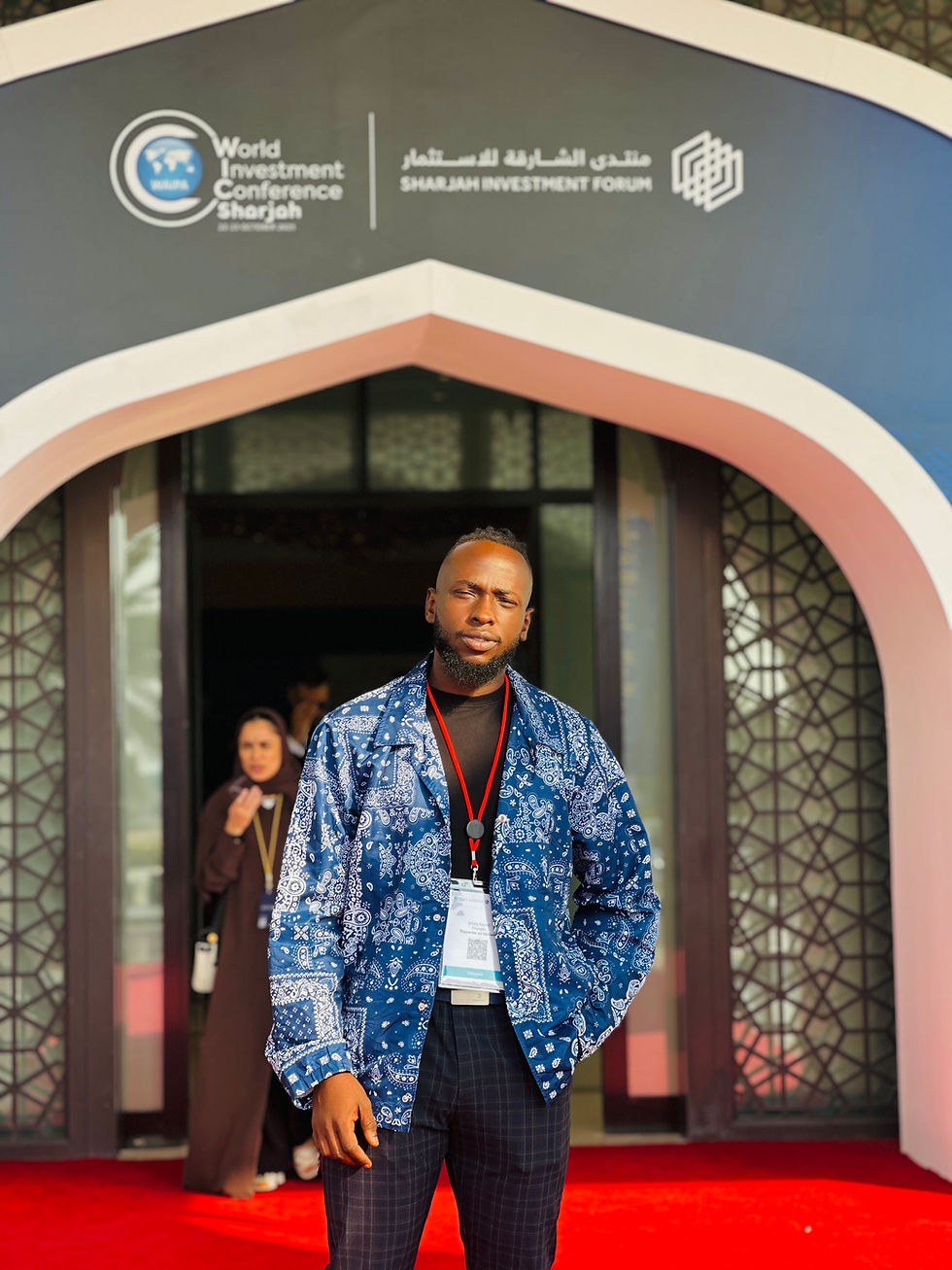
In a region where wellness has become both aspiration and industry, one name keeps surfacing in conversations about quality, character and access. Ishaq Kayiizi, a Ugandan born fitness expert based in Dubai, has steadily built himself into one of the most visible and trusted trainers in the Middle East. Media in the UAE have already profiled him as a leading African voice in the sector, recognising his rise from personal trainer to fitness entrepreneur with clients that include elite footballers and film stars.
His story does not begin in a luxury gym in Dubai Marina. It begins in Kampala, at home, with a problem to solve. When his father was bitten by a dog and needed basic physiotherapy to walk again, Kayiizi used what he knew from the gym to help him regain mobility. It was not a formal medical intervention. It was a son refusing to watch his father stay down. The results were good enough to awaken something deeper. If intentional movement could restore one man, what would happen if he took fitness seriously as a profession. That moment became his spark.
Kayiizi moved to Dubai in 2018 to formalise what until then had been instinct. He added a diploma in sports and personal training to the bachelor’s degree he already held from Uganda, positioning himself not only as a capable coach but as a coach with standards. Dubai is intensely competitive for trainers, but the city rewards service, consistency and presentation. He found his way into respected spaces, working with Fitness First and Instabody, and today he runs the gym at JW Marriott Marina, a role that signals trust, experience and the ability to manage people, not just sessions.

Then came the pandemic, and with it a shift in how people trained. Dubai opened earlier than many economies and became a stopover for athletes and celebrities who still needed to stay in shape. That window mattered. Kayiizi trained high profile names such as Jurrien Timber, then at Ajax, Issa Diop of Fulham and Bollywood actor Sonu Sood. Word of mouth followed. Demand rose faster than he could supply and he had to answer a business question that every service professional faces at scale. How do you continue to serve without lowering standards. His answer was to build a platform.
Trainers on Demand was born in that context. It began as a way to redirect overflow clients to trusted freelance coaches who could deliver the same experience. In a market where several platforms now promise a trainer at your home or building gym, the Kayiizi version distinguishes itself in two ways. First, he insists on crediting and endorsing trainers himself, leveraging his personal reputation as quality control. Second, he created it to open doors for Africans in the Gulf who have talent but often lack visibility. In his own words, it was passion first, then opportunity for people with the same background. That focus on inclusion is not common in the sector and it gives the brand a social mission beyond body transformation.

The model is now expanding back to Uganda. Freelancers are already active there and construction has started on what will be the first dedicated fitness center under his vision, a place not only for members to train but for trainers to be taught modern health and wellness standards. The business is also building what was once called the fat to fit program into a system inside the Trainers on Demand app so that a client can order a personal trainer the way they order food. For a company that has already reached the finalists list for best innovative newcomer at the REPs UAE awards in 2025, that kind of product thinking strengthens its credibility. It shows this is not a personality led hustle. It is an emerging fitness infrastructure play.
At the core is a very simple why. Kayiizi likes the art of training and he likes the benefits. That sounds modest but it explains the tone of his brand. He talks often about self love through fitness. The idea is that people train not only to build muscle or lose weight but to restore the way they see themselves. In a city that celebrates appearance, that is a powerful message. It is also what makes him attractive to founders, creatives and professionals who use discipline in the gym to mirror discipline in business.




The wider impact is already visible. Kayiizi employs Africans through his company. He is creating a pipeline so that those who cannot relocate to the Gulf can still access work, learning and a market through his platform. For the diaspora this matters. Representation is no longer about one person succeeding abroad. It is about building systems that let others plug in. That is what he is quietly doing.
There are clear lessons in his journey. First, be ready when a window opens. Dubai’s early reopening during the pandemic could have been just another season of bookings. He turned it into the origin of a scalable service. Second, reputation still beats advertising. Clients came because of how he carried himself and the standards he maintained, long before an app existed. Third, build for your people too. By designing Trainers on Demand to include African trainers and by extending the model to Kampala, he ensured that his rise feeds a community, not just a personal brand.
For a sector that is growing fast in the Emirates and wider Gulf, and for a continent that is exporting more talent into wellness and sport, Ishaq Kayiizi is an important reference point. He shows that an African professional can enter a competitive market, set the tone, create a technology enabled service and be recognised by established industry bodies. The story started with a father learning to walk again. It is now about many more people learning to move better, work better and believe more in themselves. That is the kind of fitness narrative the region needs.


Comments